I spent my early gardening years working with dirt and a rear tine tiller. When that tiller died close to eight years ago, I had to change my method or cough up a ridiculous amount of money to buy a new one. Since money was precious (and is even more so in today’s world), I opted to go without and try something different.
Since I had only spent forever tilling the ground until it was powder, I wasn’t sure what I could do with a rather hard surface. So I researched different methods of no-tilling. There are a surprising amount of different opinions as to what works best. I will highlight the couple of methods that have worked for me.
Ruth Stout wrote a marvelous little book called Gardening Without Work. The premise is, mulch, mulch, mulch every bare spot in the garden and that mulch will suppress weeds as well as help hold in moisture. This leads to less having to water the garden. Ruth’s preferred mulch was moldy hay.
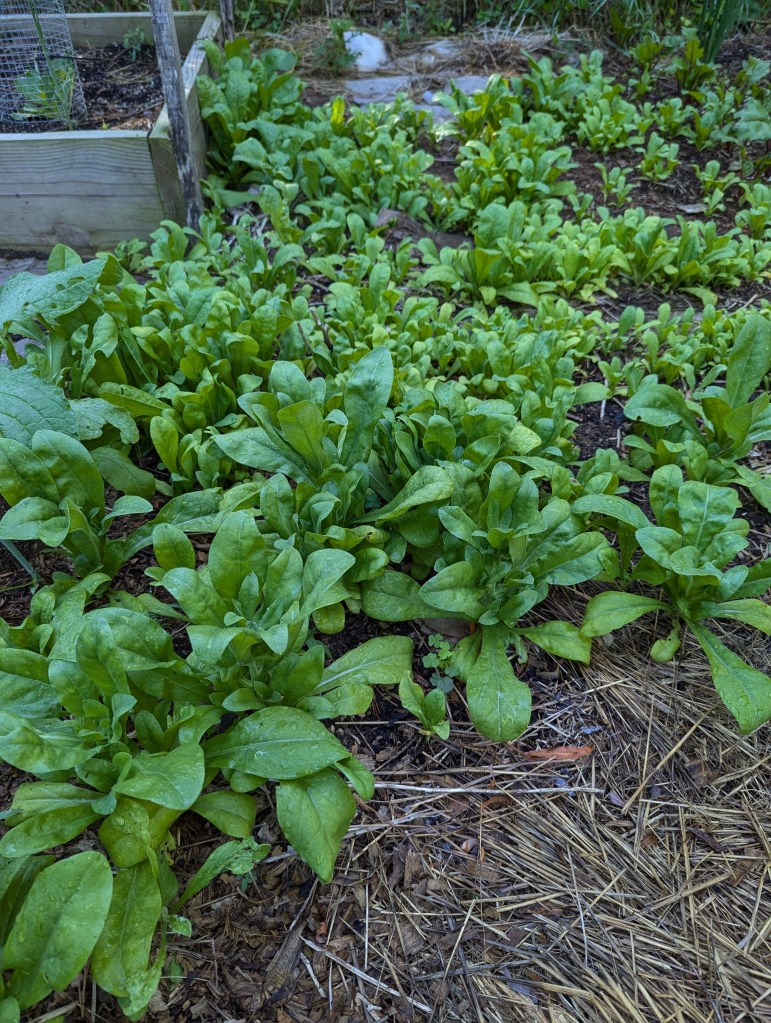
I have tried Ruth’s method of mulching. One year I used mowed grass as the preferred form of mulch. I kept my rows fairly close together and placed newspaper and/or cardboard down on the “pathways”. Then, I put the freshly cut grass on top of the paper barrier. Every time we mowed grass, those clippings went into the garden. I had a beautiful garden when I did this. I didn’t use anything but that grass most of the time, but it didn’t seem to matter. The plants grew large and beautiful. The times I did actually compost, I would just throw compostable material at the edge of the garden and sprinkle the compost around some of the plants when it had decomposed enough.
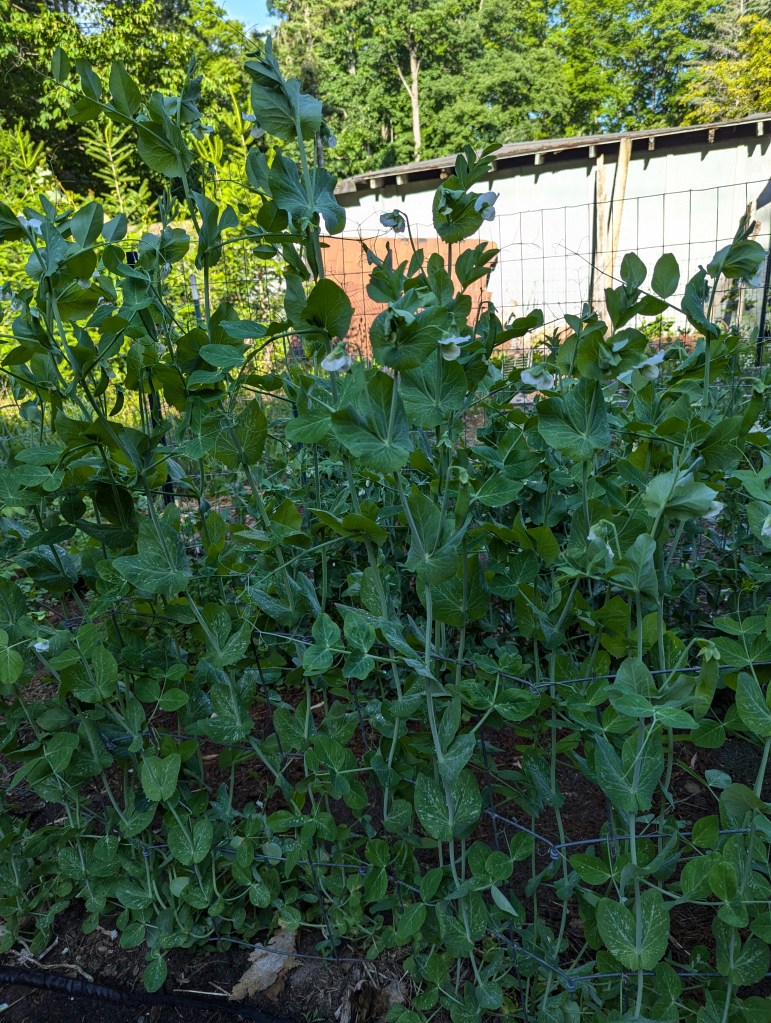
Insect damage was always something to battle, but I used homemade insecticidal soap when I had to resort to spraying something on the plants. Gardening Without Work has some recommendations concerning pest control, even my past nemesis – the ground squirrel as well as my current nemesis – the white tailed deer. The only deterrents that worked for me is electric fencing for the deer. As for the ground squirrels (wicked little things that used to eat off the bottom of pea pods and suck out the peas, leaving the empty pods on the plant), nothing really works. They find a way into the garden no matter what. You can try live traps, but you’ll never get rid of all of them.
We moved from that garden a while back and I have not purchased a tiller yet. My garden size increased a lot, and it became difficult to mulch using those grass clippings, mostly because we don’t really have grass on this property. It’s more like weeds, and it’s sparse. We bought a riding mower and do not bag the clippings anymore.
Now, I do compost a lot more and I do maybe a Back to Eden gardening style along with what Charles Dowding calls No Till with a little mulch and as much compost as I can produce myself thrown in. For a couple of years our compost was largely composed of broken down goat and sheep bedding. We compost kitchen waste (only the organic stuff). We use wood for heat in the winter, so we toss in some ashes from time to time. I rarely throw in weeds, because I toss those to the chickens. Rhubarb leaves get composted, but sometimes they just are laid in the garden as a weed barrier. Ruth Stout might have called that mulch too.
Since I have trouble producing enough compost to amend the garden each year, I do toss different natural fertilizers around in the fall. I’m not too picky other than the fertilizer has to be organic. In the spring when I plant, I fertilize with blood meal. Depending on the needs of the plants, sometimes bone meal gets spread too. And then there’s lime, which helps with certain plants. Tomatoes get a dose of lime and a dose of blood meal at planting time. Melons like a little lime now and again during the growing season. If you grow sweet corn, you will want to stock up on nitrogen fixers, like blood meal – corn gets hungry for them. My confined bag of Chocolate Mint needs little fertilizing, but I do put a bit of blood meal in the grow bag. This plant is going crazy already this year!

I utilize flattened out cardboard as weed suppressers. Given I have a problem with slugs, however, that is sometimes not the best option because slugs often hide underneath. I do not always grow in nice rows as I used to, but rather grow in little “beds” that I map out using a really nice online garden planner. My goal is to have raised beds all over the garden, but thus far I have only two. They need to be filled and that gets pricey unless you have lots of compost at home that you didn’t have to buy yourself. The lasagna style methods of larger compostable items (small logs, branches, etc.) covered with less and less heavy stuff but more and more pure compost, works well, but that first layer can take forever to break down. That can cause plants that put out deep roots to struggle.
Keeping up with weeds is key to a no till garden. I try to go over the whole thing with a push-pull hoe. Anything between plants gets pulled by hand. Yes, it’s work and not Ruth Stout’s original premise, but it works for me to put in the labor. As I get older, I need to remember to exercise. Gardening provides that exercise for me and gives me a boat load of satisfaction.
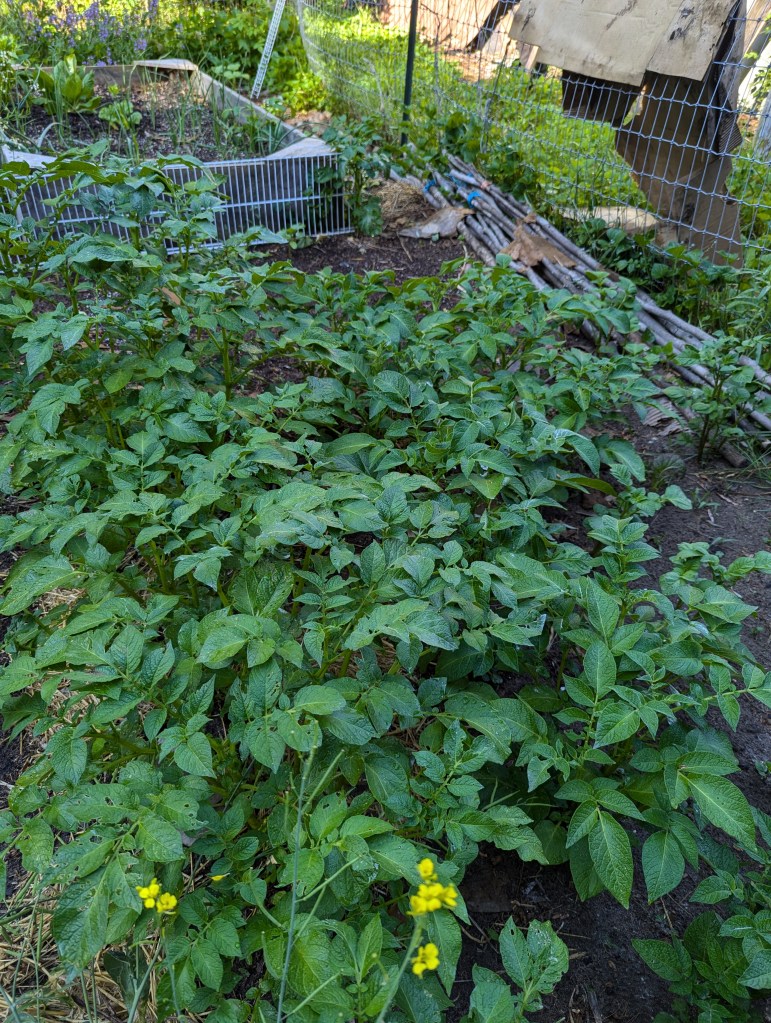
Come harvest time, I’m pleased. Though my garden is not conventional in the eyes of many, it’s very good for me. This year, though, I have been thinking about creating a garden in a different area of the property. Where this garden that has worked well in the past sits, trees from neighbors behind us and to the south of us are crowding out the sunlight more and more. It’s time to rethink things. Because of those lessening sunshine hours, I decided to put my melons in grow bags and grow them close to my greenhouse, trellising them. It should be fun. Again, experiments.
Sometimes change is good. Don’t ever be afraid to try something new. At worst, you might have a great learning experience. At best, you will find a new method of doing something that creates joy for you. I wish you the joy.
 Life-Springs-Farm and Aviary